


BEN CARSON
Cinematic portrait of Ben Carson wearing a hat
MusicFilm + ImageWritingBuilds + Systems
Ben Carson

Hi, I’m Ben.

Currently based in Saigon.

I make music and movies… and companies, plus the AI workflows that can make them run and scale. I love being in the problems, figuring out the solutions. And... I love getting to know people. Personal, authentic human stories that don’t stop asking the hard questions are my absolute favorite thing in this crazy, beautifully tragic world. So if you’re looking at this, then I definitely want to get to know YOU. I want to hear all about what you are doing.

I certainly can be useful in a variety of specific domains as this studio hopes to demonstrate. But many problems refuse to stay in one lane. When strategy, production, story, image, sound or the machinery around an idea need to come together, I can help find the pieces that matter, understand what’s getting in the way and help the work find its form.

This site is an open studio and archive for much of my work. Some things are finished. Some are still being built. Together, they’re probably the clearest way to understand my taste, how I think and whether my instincts might fit something you’re working on.

This is an evolving studio. There are more businesses, films, writing, music and ideas coming.

Look around. Grab some good headphones and lose yourself in the music, films, writing and ideas. I love that you’re interested.

And if you came here with something in mind—or think of a way we might work together while you’re looking around—tell me what you’re working on and where the friction is. You don’t need a polished brief. Just a sentence, a link, a voice note or a half-formed problem is enough. Let’s connect.

Visuals + music

A good place
to start.

I put this first because image and music are probably the quickest way to understand how I see and feel. This particular reel is made mostly from footage I captured. I often work with a crew and someone else serves as DP, but I enjoy staying close to the capture process.

Scroll through the five cuts of music here. Play each one with the reel. How does it change the emotion? Music is powerful. You can listen to a lot more of my music on this site—all different kinds. There are hours and hours of it. And it’s all pretty good. Some of it is exceptional. Hehe.

Carl in the Ocean changes the images in a unique way for me. It rises above everything—almost the way God might see us, or at least my personal version of God. Strings make me weep. Something about them breaks my heart. I love writing for them. A lot of my string writing is here.

Explore
MusicReleases · Strings · Performance Film + ImageDirecting · Capture · Post Builds + SystemsMurderLabs · Symby Exchange · TrukPlate WritingEssays · Stories · Notes
Let’s Connect

Album releases · strings · performance · production

Music

If you plan on exploring my catalog of music, grab some decent headphones for an optimal experience.

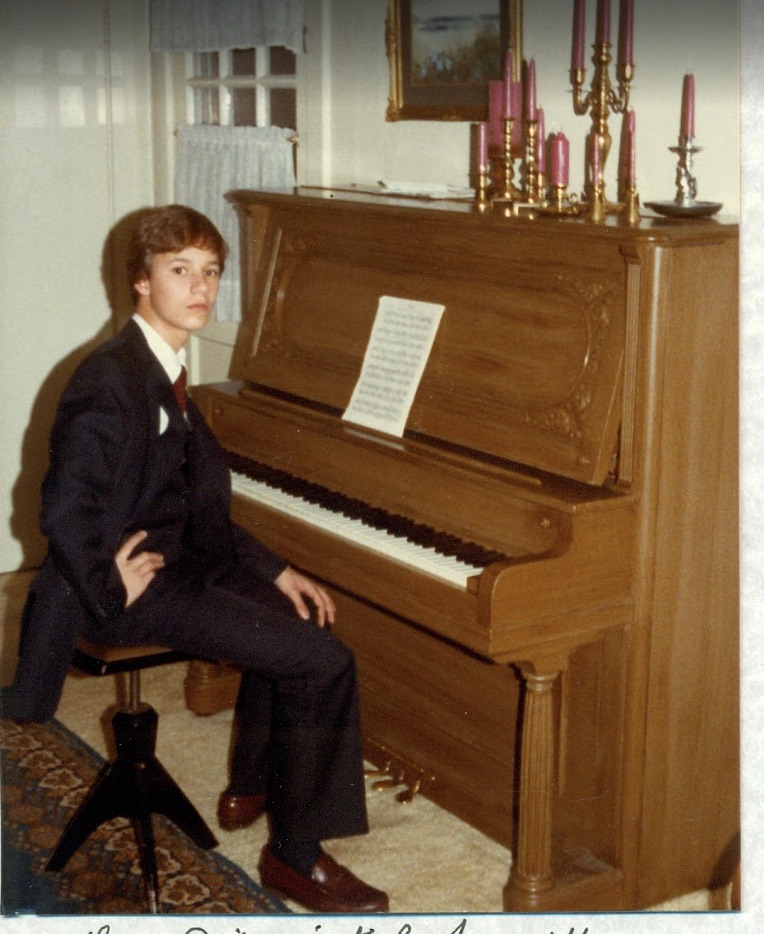
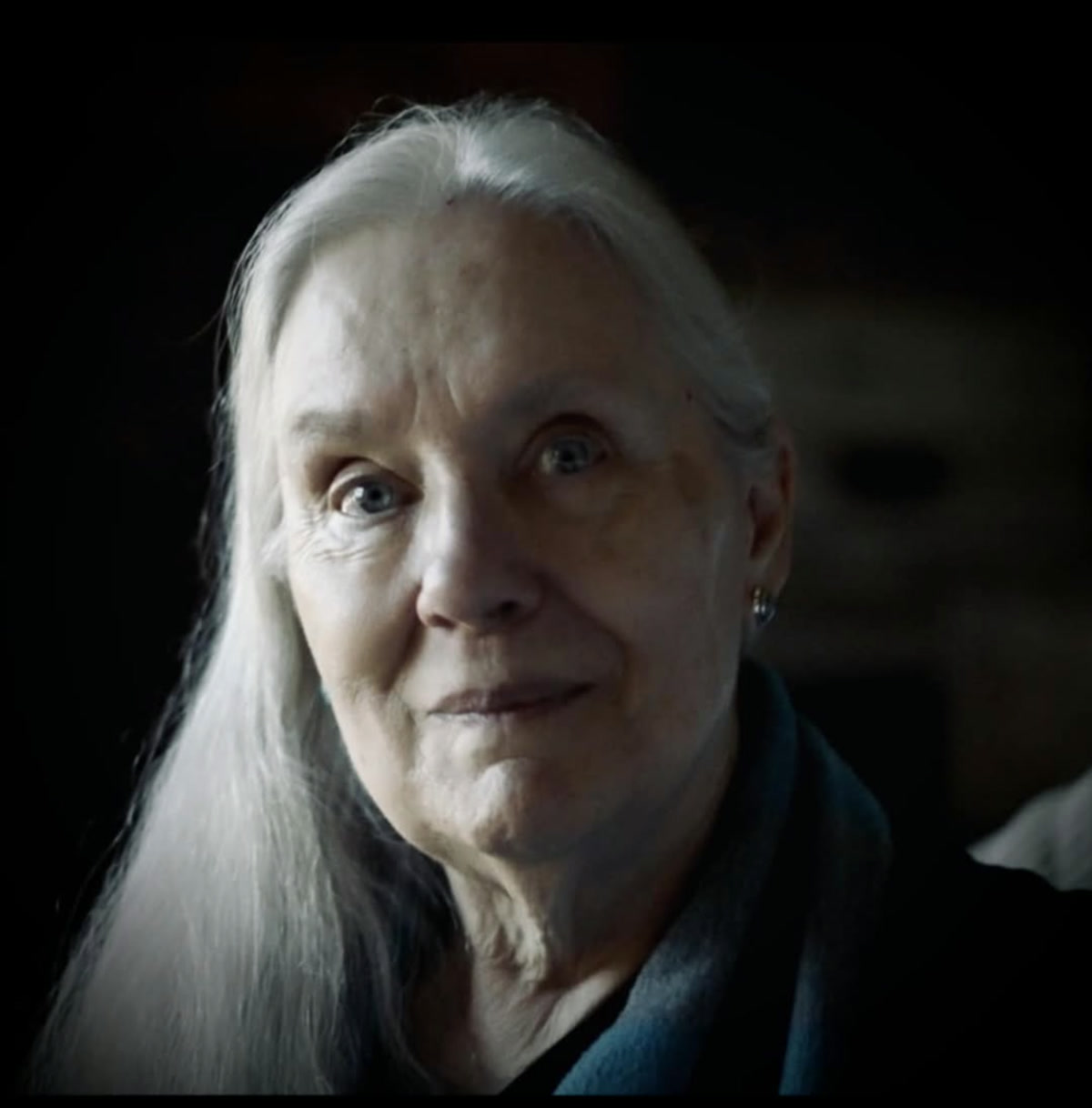
Music was the first thing I learned how to make professionally. It has shaped almost everything I’ve done since. Thanks, Mom, for making me practice so hard.

Ben Carson playing piano when he was young
At the piano, early on.
Portrait of Ben Carson's mother, photographed by Ben Carson
My mom.

Twenty-five years ago, I worked my way into a career as a commercial and film composer. Things happened fast. I had a knack for it and the drive. Before long I was into some pretty big things. I was regularly writing and recording 40- to 60-piece orchestras for the latest big film. A Knight’s Tale, Chicken Run and Pearl Harbor were a few of the theatrical trailers I scored.

I grew up wearing out Quincy Jones’ Thriller (I know, I know. It’s Quincy’s record. I won’t be taking questions) and John Williams’ Star Wars soundtracks. Funk and full orchestra. At 12 I didn’t know those were two different careers. I eventually got to record in the rooms where both were made. Westlake Studios and the Warner Bros. scoring stage. Somewhere in there: the Larry King Live theme, BMI awards, a Super Bowl spot sung by the cast of Wicked, and scores for BMW, Lexus, McDonald’s, Burger King. Commercial work teaches you to find the emotional center fast and make it memorable.

Credits + licensing

Here is where most of my music lives on this site. All kinds of stuff to go through if you’re interested.

Need original music for a film, brand, campaign, trailer or piece of content? You don’t need the right musical vocabulary. Send me the picture, the brief, a reference or simply the feeling you’re trying to create.

Let’s connect.
Album release · neo-classicalForgotten Silence

This is some of my more recent work. Check out cut two if you need some Keira Knightley Pride and Prejudice romance vibes (it has a similar feel). Cut three has this cool pulse that persists through the entire piece. Cut four feels kind of like sunlight, clouds and snow, I think. Cut six is about being stuck and then being unstuck. Tell me if it sounds like that to you, or something else. The final cut, “They Dream,” features my daughter Jasmyne and is a prophecy about the death of humans—hahaha. So enjoy that one. But please check them all out. I really love how they turned out. I’d love to know which ones resonate with you. This stuff sits somewhere near the neo-classical piano-and-strings music coming out of Scandinavia: restrained, intimate and spacious. I love it, and am making more. If you love what you hear, check out my unreleased tracks in this genre here.

Open in Spotify

Loading music…

Music library Choose a track Nothing is playing

Direction · cinematography · editorial · photography · post

Film +
Image

When my music royalties gave me some breathing room, I moved into filmmaking.

ORCS! would be my film school and force me to learn every part of the process.

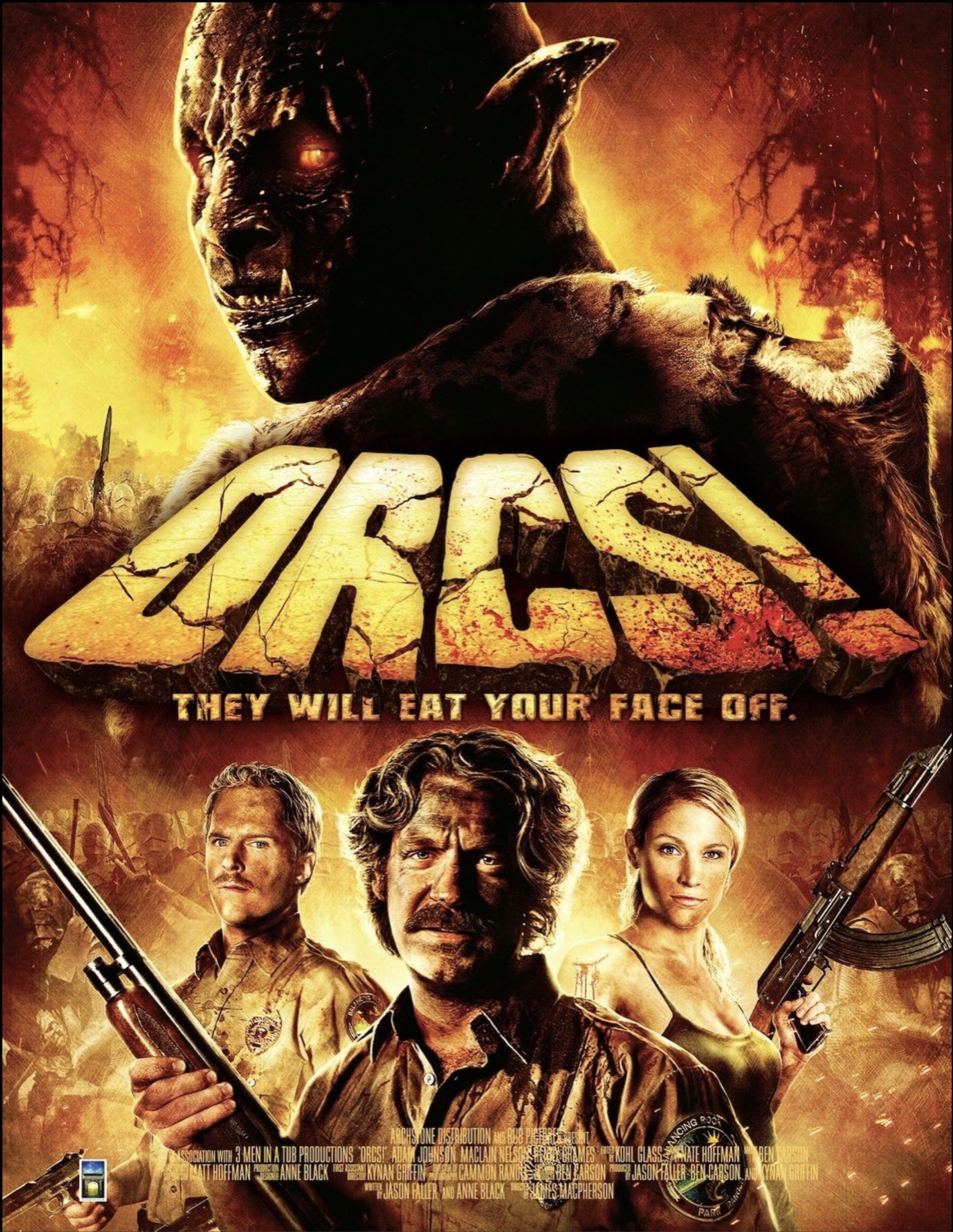
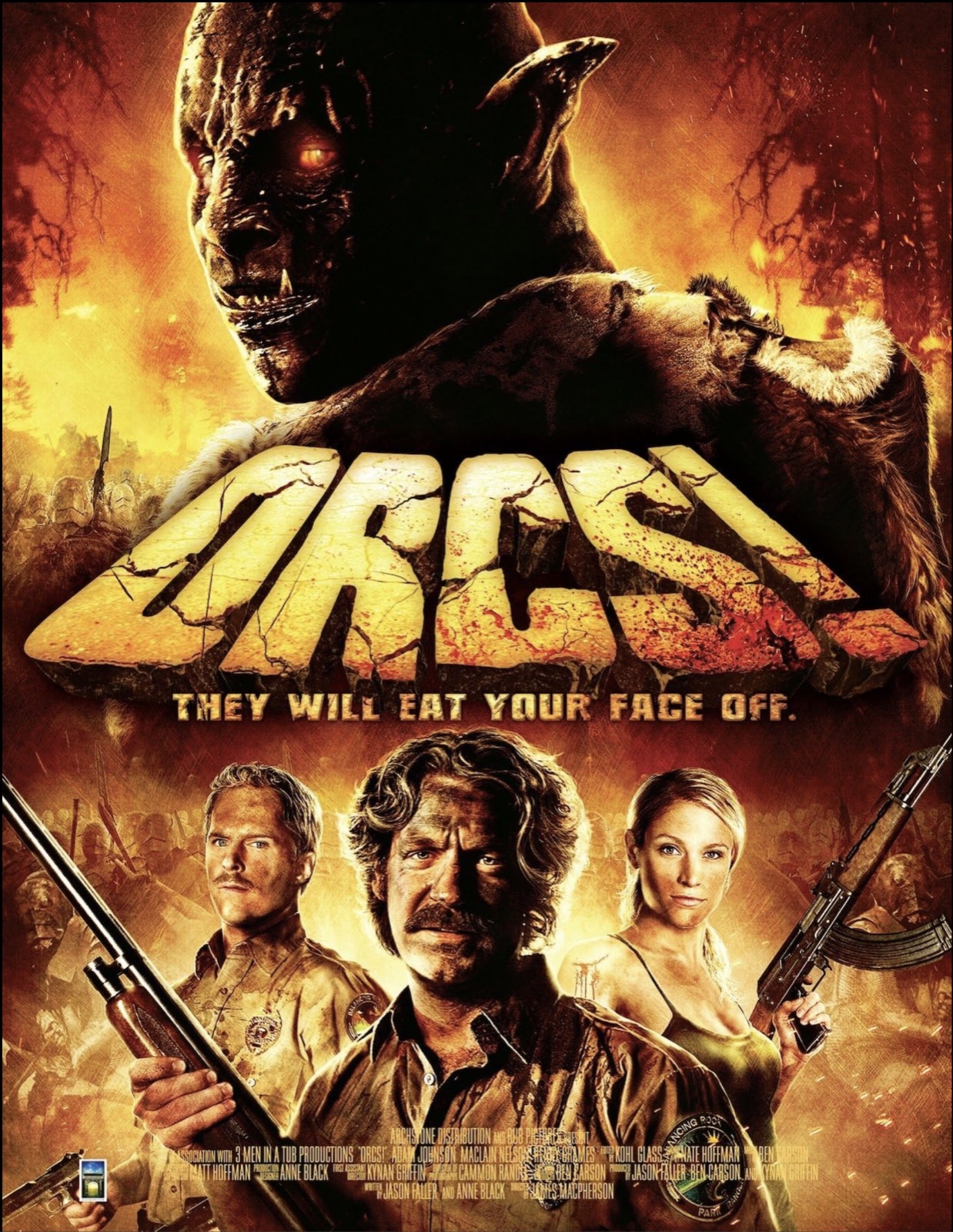
Feature film · trailer + key artORCS!
Orcs! feature-film key art created by Ben Carson

Official trailer

Feature film · trailer + key art

I put together a team of filmmakers I’d worked with before, financed the production, and got it made. On paper I was executive producer, producer, composer, and post/mix supervisor. In practice the job was everything—preproduction through marketing, and the thousand invisible decisions it takes to finish a movie. I got a lot of them wrong the first time. That was the education.

I built the key art and cut the trailer myself, took those two assets to AFM, and they sold the film. It landed distribution and returned about four times its production budget over its run—a result I’d love to claim was all strategy.

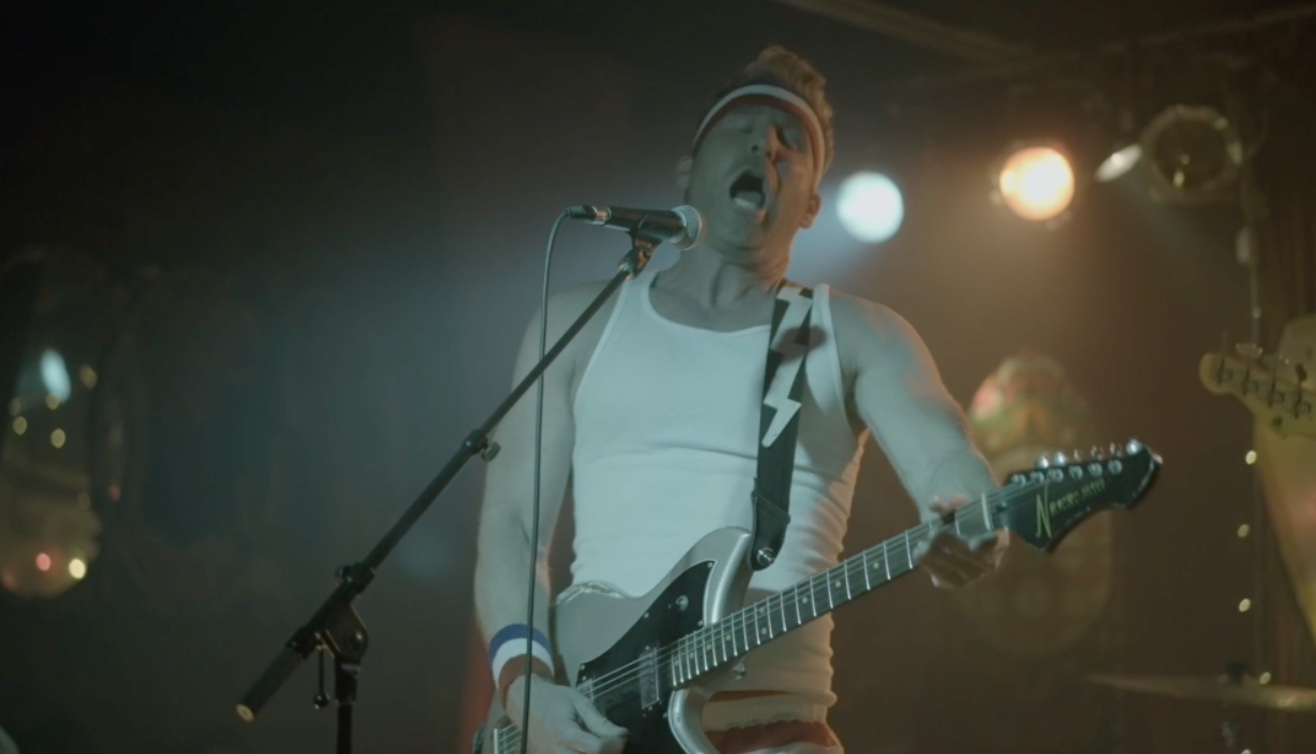
It’s an intentionally dumb comedy-horror B-movie. It spent a few years on Prime and now lives on YouTube—best watched with friends and beer. I also have a cameo as a rich golfer who gets slaughtered by orcs. One of the lesser-known responsibilities of executive production. Below are my two scenes. I guess I’m a star. Hehe.

Before.
After.
Writing · direction · editorial Brand + Company Films

Nobody hires you to make crypto infrastructure beautiful. Or nuclear energy, or network marketing, or enterprise software. But that's what's here: eleven films about products with no obvious cinema in them.

I wrote and directed every piece. Some I cut myself; the rest I supervised through final delivery.

That’s the point of showing all eleven. Anyone can make a car commercial look good—the car does half the work. These subjects gave me nothing for free. Carrying material like that from script through production, image, sound, and final cut without losing the thread—or the taste—is the skill. Give the same process better raw material and stronger resources, and the ceiling moves accordingly.

Take a look below at the Symby ethos film. Symby is a startup I’m building in the Builds + Systems section, but the film belongs here too. I’m proud of the writing. Keep in mind, it’s a work in progress. I thought it might be cool for you to see what something looks like on the way to finished.

Symby ethos film · Part OneThe finished first half of the film.

Symby ethos film · Part TwoThe second half currently exists as narration and music while the picture remains unfinished.

Capture · selected work

Capture Reel

Narrative projects Feature
Development
Bilingual human drama

Lan Nguyen

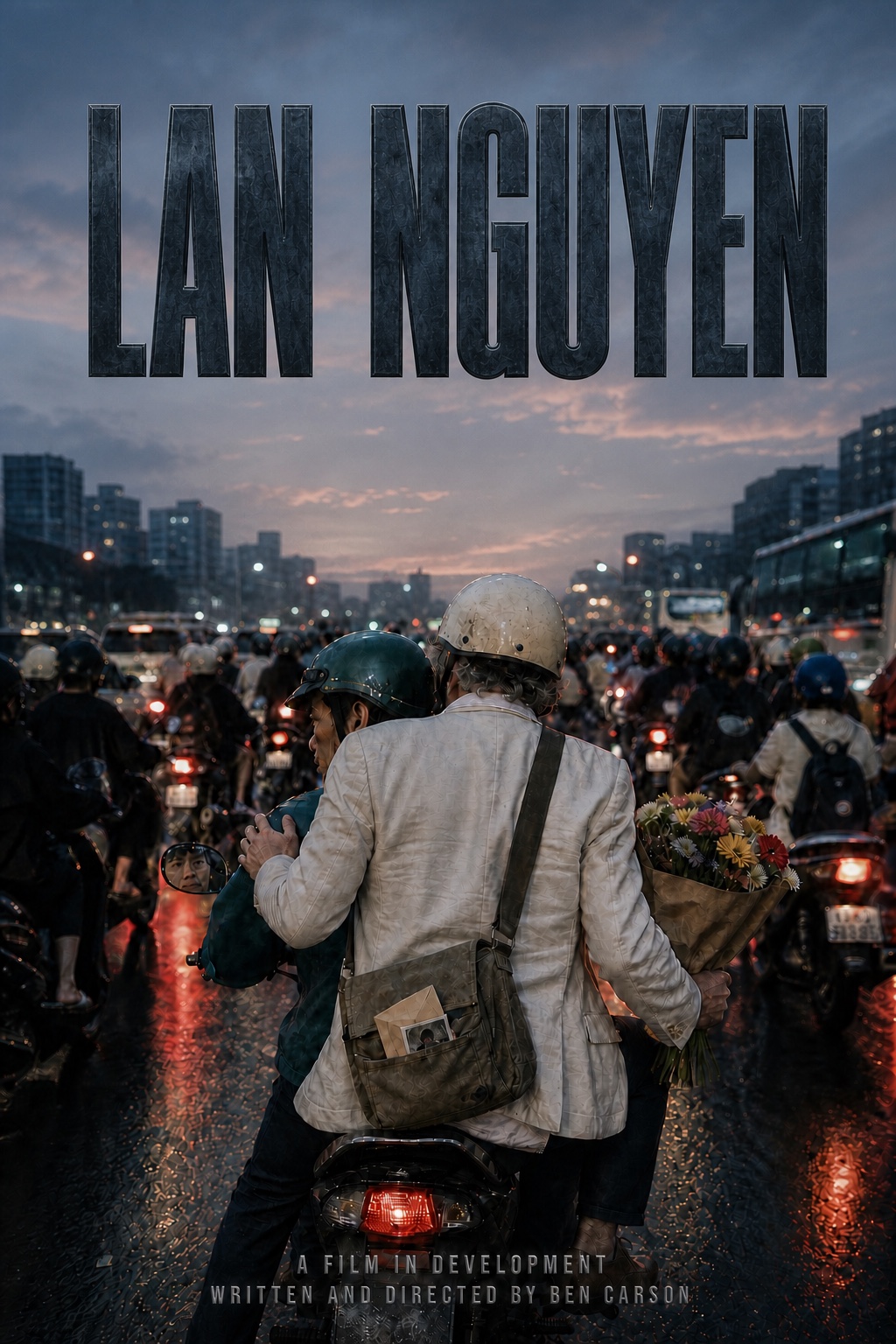
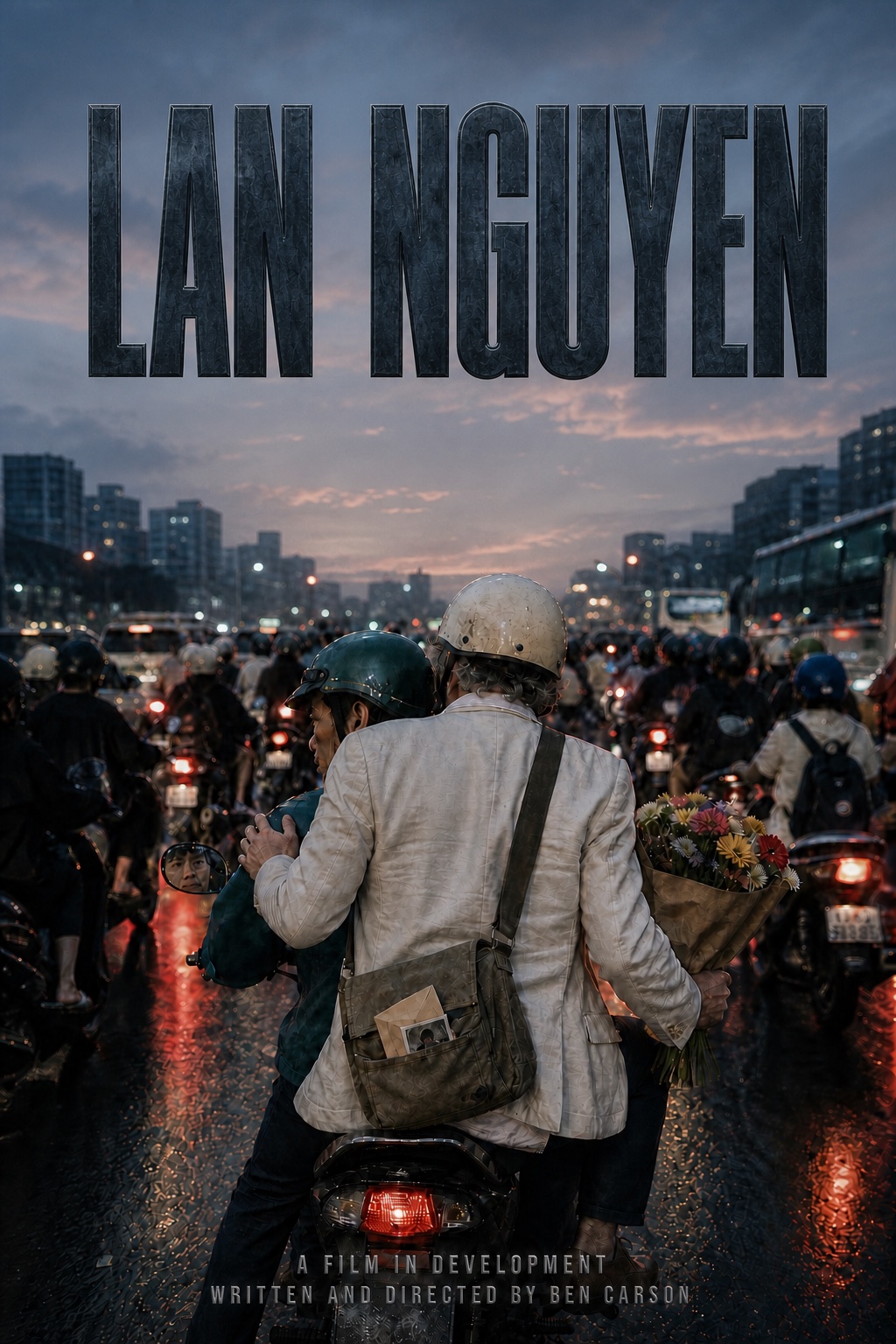
Lan Nguyen development poster showing Minh and David riding through dense Saigon traffic beneath a dark title in soft blue and pink dusk light
Development key art · casting and cultural details are not final

An exhausted Saigon motorbike driver loses his bike while helping a disoriented foreigner search for the Vietnamese woman and daughter he abandoned thirty years earlier.

I love stories about ordinary people fumbling through life and learning as they go. I love going deep into personal stories and the seemingly little things that are actually big things on a personal scale. Life is beautifully tragic and full of drama without the fanfare, without the song and dance. My favorite director, Bong Joon Ho, said it best—although he was quoting Martin Scorsese, so I guess Scorsese said it best: “The most personal is the most creative.”

The story

Minh, an exhausted GrabBike driver, takes one final passenger before going home to a family already tired of waiting for him. When the foreigner collapses in a shopkeeper’s restroom and Minh’s motorbike is stolen during the rescue, both men are stranded in Saigon.

The passenger cannot name his hotel. He knows only that he came to find a woman called Lan Nguyen. As the search moves through the night, Minh’s own family begins to fracture and the stranger’s real purpose emerges: to face the woman—and the daughter—he abandoned thirty years earlier. By dawn, neither man can undo the damage. They can only decide whether to leave again.

Story packageBilingual novellas, master treatment, 40-scene feature architecture and a working feature draft.
Production model85–100 minutes · 18–24 shoot days · Vietnamese and English · primarily local cast and crew.
Working budget$400–600K production · $500–750K all-in planning range.Illustrative development estimates—not an offer or locked budget.

What readiness means here

The roadmap is concrete: attach Vietnamese producing and story authority; complete a cultural-risk pass; lock the feature screenplay, locations and road-safety plan; then decide whether a purpose-built 10–14 minute proof of concept is useful. That proof currently models at $20–35K. The full project workup includes crew structure, budget architecture, finance paths, schedule assumptions, cultural guardrails and festival strategy.

Near-future animated drama

Freemen

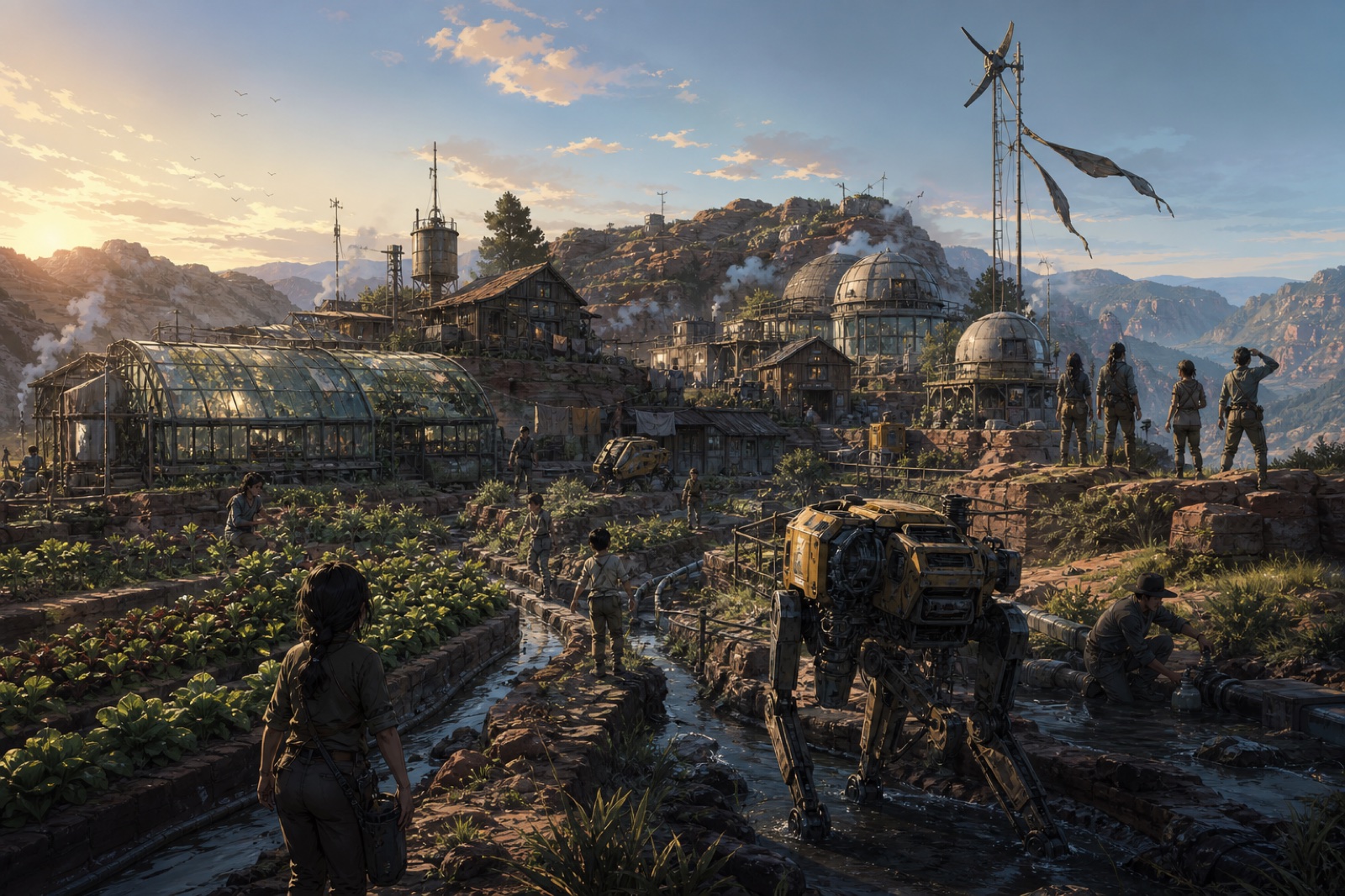
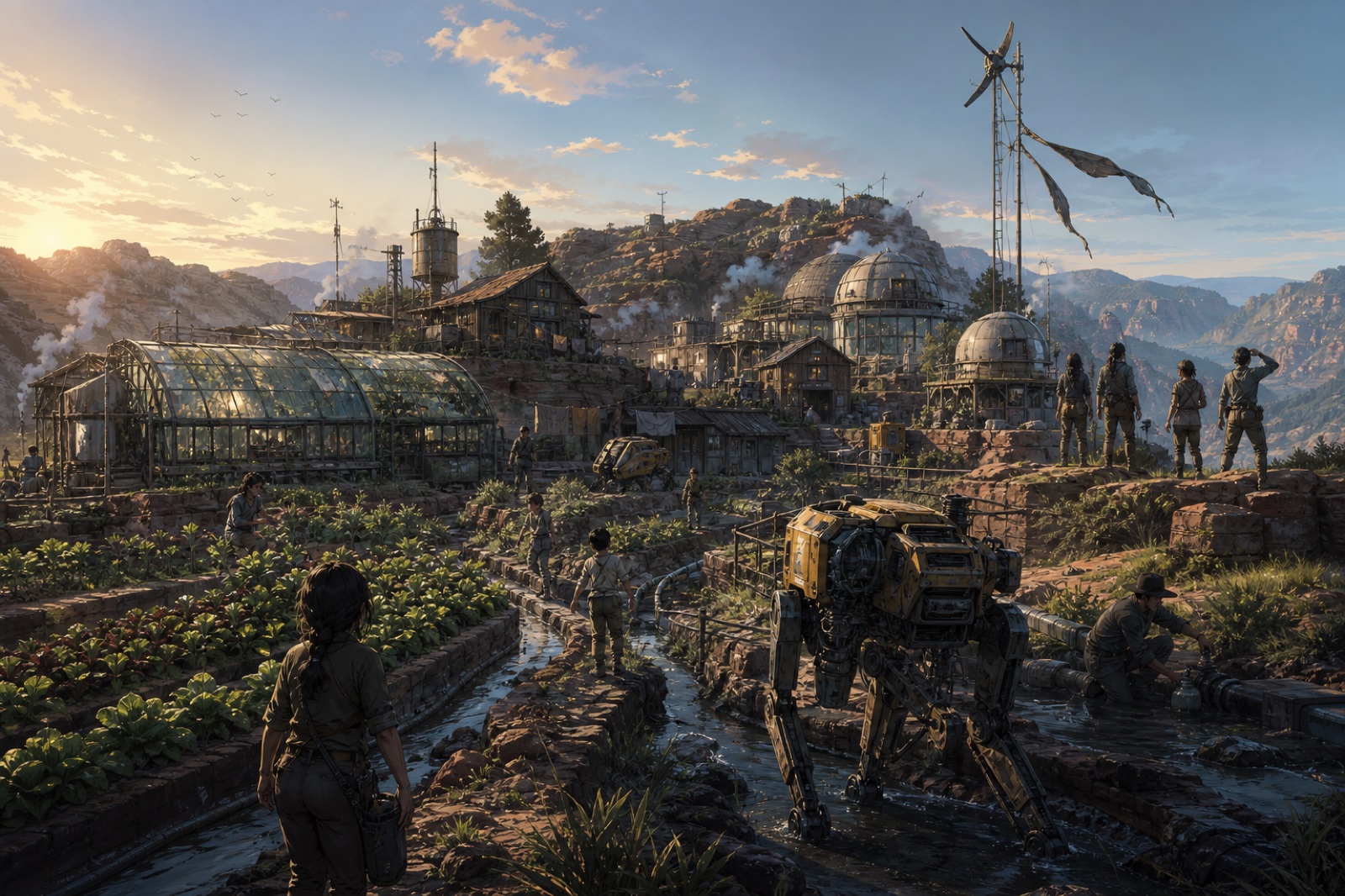
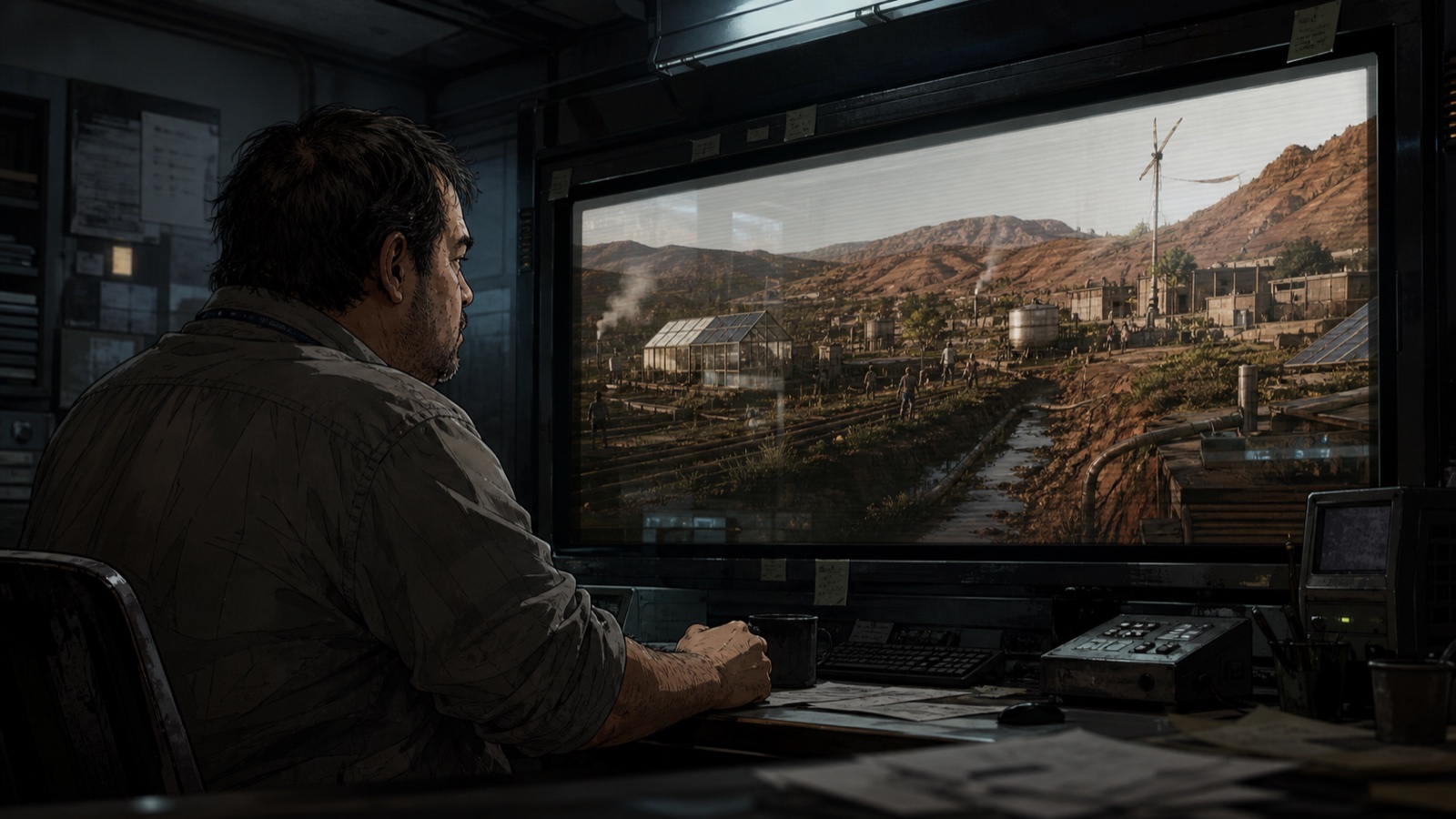
Ridge House, a free settlement in the western mountains at dawn Development image · Ridge House at dawn

In a fractured near-future America, a government analyst investigating a free settlement begins to question the system he works for.

Freemen follows John, a government analyst living inside a tightly managed society, as his work draws him toward communities trying to live outside government and corporate control. It’s a near-future story about surveillance, power, family and the people building lives beyond the official system.

The world

America remains legally real and operationally patchy. The remnant government preserves food, medicine, transport, identity and order through corridors, databases and surveillance. Beyond it, free territories build stranger and more dangerous forms of belonging.

John works at a government evidence desk, reviewing surveillance from suspected unauthorized settlements. One file leads him to Ridge House, where Minnow and a repair bot are trying to keep the settlement’s water running. What he finds does not match the official report, and the assignment pulls him toward the people he has been trained to monitor.

John at an evidence desk reviewing footage of Ridge House John reviewing surveillance footage from Ridge House
Story systemEight-episode working season spine, Episode One reader draft, world canon and a trailer scene bank.
Visual systemCharacter and location references, costume logic, active shot sources and a reusable continuity library.
Proof planA 2–3 minute world trailer plus one selected cold-open sequence to prove motion, continuity and performance.

What readiness means here

The next package is deliberately bounded: story and shot lock, temp voice and sound, continuity assets, a motion-board, then selective cinematic polish. The working estimate is 8–12 weeks solo or 6–10 weeks with one strong motion/compositing collaborator. A series budget is not being presented as locked; the proof is designed to generate real production data before making scale claims.

Listen · Episode One

The Thread

A full concept reading with music. Settle in—the episode runs just over two hours.

Development concept recording. The voice is AI-generated; Michael Caine did not participate in or endorse the project.

If you produce, finance, cast or develop narrative work and one of these feels like something you should be part of, I’d like to talk. If you simply know someone who should see it, I’d value the introduction.

Talk with me about a project in development.

Companies · systems · experiments

Builds + Systems

I’ve had the entrepreneur bug since I illegally hawked lake-recovered golf balls to golfers in Montgomery, Alabama.

When I was eleven, one summer I watched some golfers hit a few balls into a lake. Once they cleared out, I jumped in and discovered a way to fund my summer. Once I discovered the gold mine that lay beneath those waters, I raced home on my bike and grabbed a couple of pillowcases. I returned later that evening and pulled out close to 600 balls that first day. Getting them home wasn’t easy.

I cleaned them up and the next day tested my hypothesis. Sure enough, these golfers were into cheap lake balls. I remember going home that first day of sales with eighty-something bucks in my pocket. And in 1981, that wasn’t a bad take for an eleven-year-old kid.

Long story short: ever since then I’ve kept my eyes open for opportunity. Building a business feels every bit as creative to me as making music or film. You notice something people need, figure out what might work and build enough of it to find out if you’re right.

That’s what this section is: companies, products and working experiments. Some are further along than others. I’d rather show you what exists than dress any of it up.

MurderLabs — Intelligence with teeth

The company behind the builds

MurderLabs

Intelligence with teeth.

I started geeking out on AI in 2023. At first I was fascinated by the access to knowledge. Then it became useful for making things: researching, writing, designing workflows, building prototypes and taking repetitive work off people’s desks.

MurderLabs is the company I use for that work. If something in your company is slow, repetitive, confusing or held together by one exhausted person, show it to me.

How I Work

We start with the bottleneck. Then we build and test the smallest version that could genuinely help.

Visit MurderLabsI’ll get the crows on it.

Featured Builds

Founder-led MurderLabs venture

Symby Exchange

Creator economics, rebuilt around relationships.

Symby ethos film · Part OneThe finished first half of the film.

Symby ethos film · Part TwoThe second half currently exists as narration and music while the picture remains unfinished.

Interface prototypeThe film makes the argument; this shows where the argument begins turning into a product. It is a vertical screen recording of the current interface concept.

Symby starts from a simple conviction: the creator–audience relationship is where the value begins. Today’s platforms often make creators suppliers to feeds they do not control and audiences inventory to be sold. Symby is exploring a system in which stronger relationships make the surrounding infrastructure stronger too.

The work is staged and candidly unfinished. Interface prototypes, simulations and a pilot strategy exist; the final legal and economic form does not. The ambition is real, but this is development material—not a live financial platform or an offering. Yet.

Built + Tested Creator and fan interface prototypes, an in-memory simulation covering selected ledger and market guardrails, 25 focused tests and an adopted staged pilot strategy.
Next Proof A no-money commerce and utility pilot with real creators and audiences. The final legal and economic form remains unresolved.

Joint venture · MurderLabs build

TrukPlate

Live food trucks, without the guesswork.

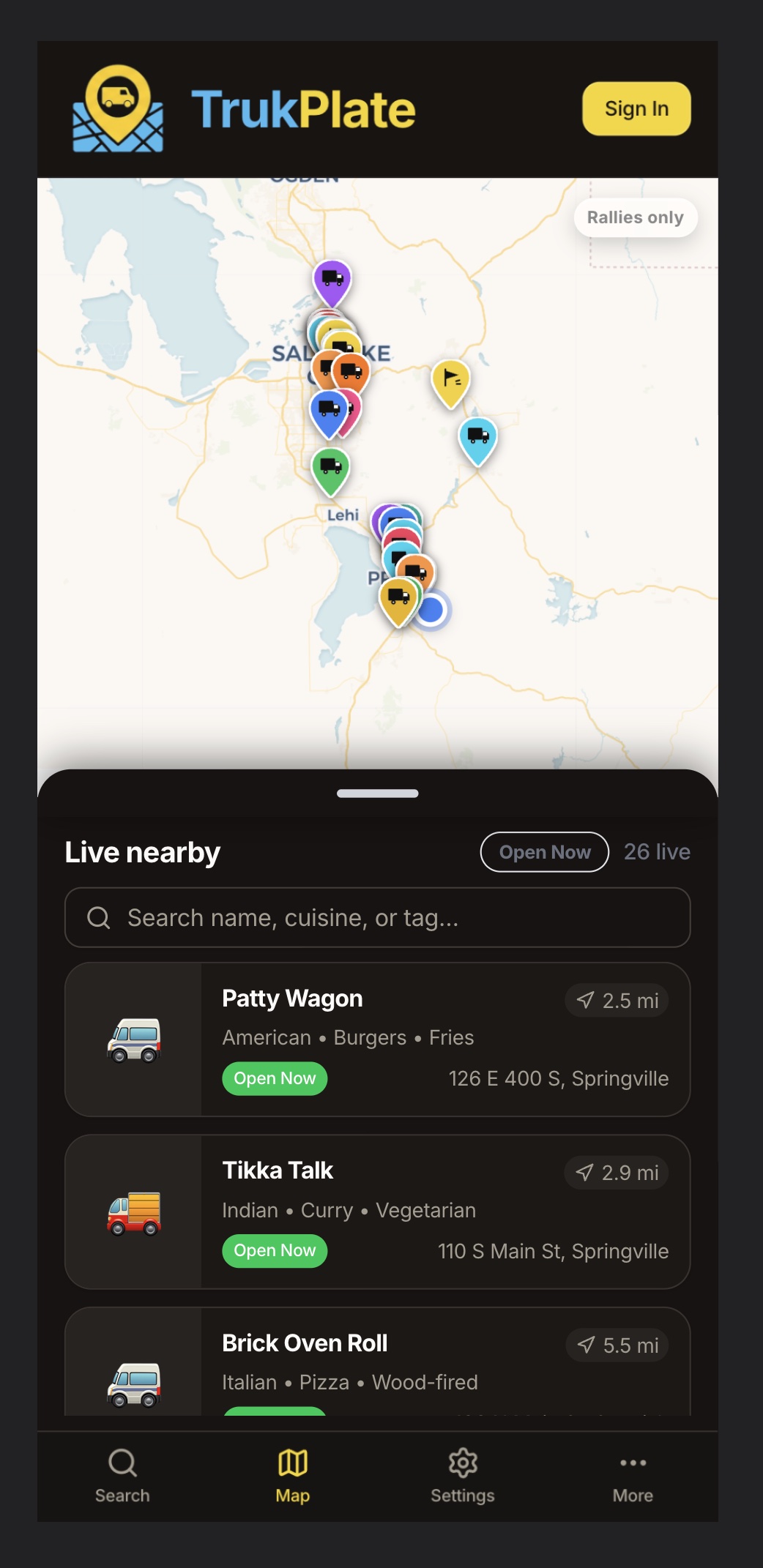
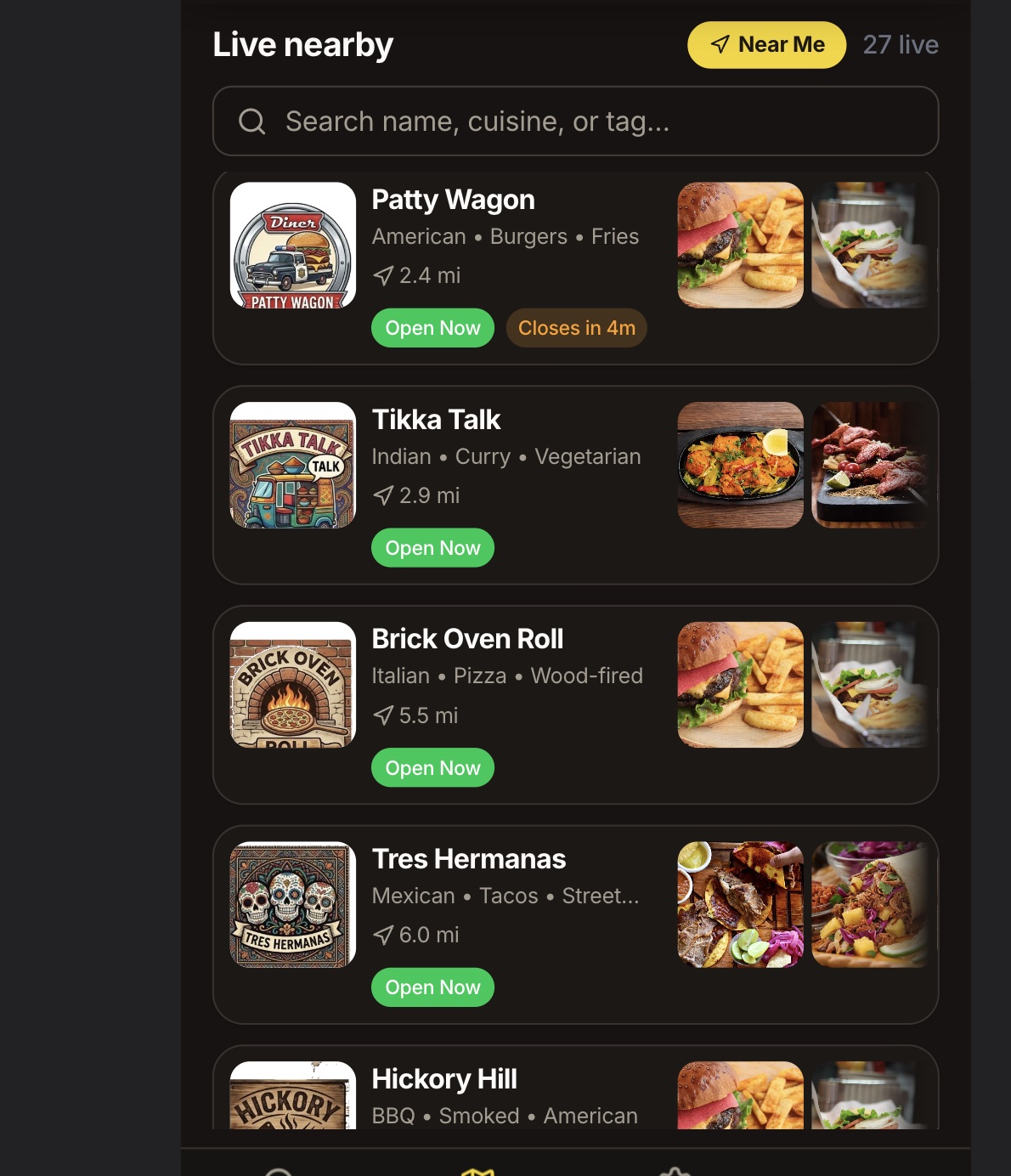
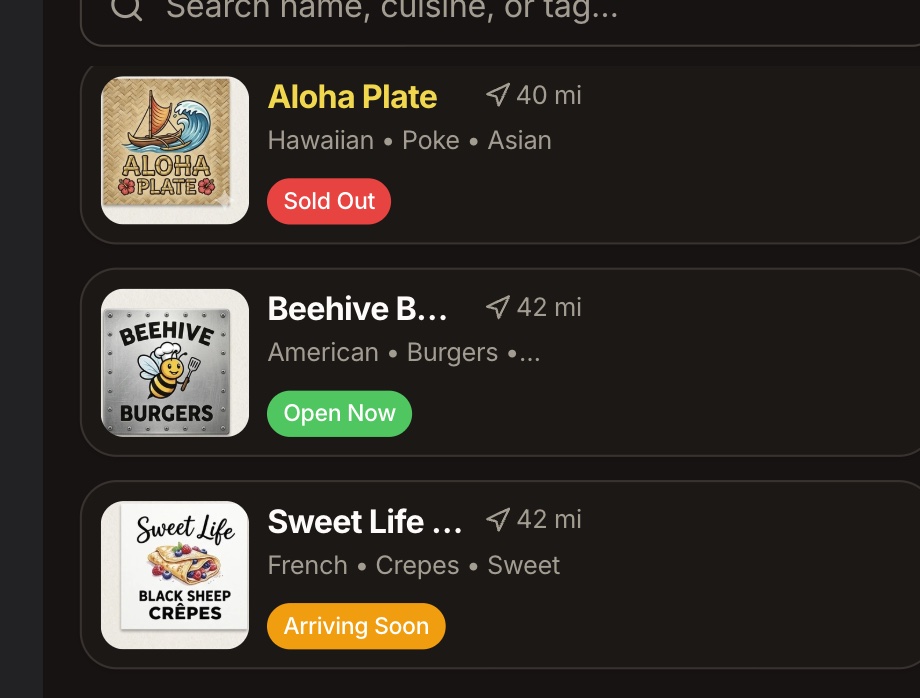
TrukPlate is a joint venture with Kristian Kallaker, owner of Lemon and Sage, developed through MurderLabs. It is a functional mobile-first product for finding food trucks that are actually open and nearby. The venture is currently shelved. The working demonstration uses a self-contained fictional market so you can try the product without creating an account.

Customers can see live vendors on a map, search profiles, view menus and photos, get directions and leave reviews.

Vendors can go live, set an end time, update a status, manage their profile and share a QR code. An admin layer handles approvals, moderation, reports and direct messaging.

I drove the product direction, architecture, scope, UX, testing and iteration, using an AI coding agent for implementation.

Working with Ben on TrukPlate has been a genuinely energizing experience. He has a rare ability to take a rough idea, understand both the human problem and the system needed to solve it, and keep working until something functional exists. He brings creative instincts, business sense and real curiosity to the process. He listens well, improves ideas without losing their original purpose and is willing to work through the difficult details that stand between an idea and a real product. I trust his taste, his commitment and his ability to find a way through complicated problems.

Kristian Kallaker · Owner, Lemon and Sage
What Exists Now A working mobile-first MVP with customer, vendor and administrative flows.
Next Meaningful Test A small live pilot with real food-truck operators and customers using it in the field.

Essays · stories · notebook pieces

Writing

Featured

Saigon · 2026 · Essay Coffee Is an Event A hundred-dollar room, tiny lawn chairs and the difference between consuming something and letting it happen.

I’ve been in Saigon for almost three weeks. Was in Korea for a couple of weeks before that. Japan for a week before Korea.

I need to start writing regularly. It’s hard without the habit—just like anything, right?

I stayed mostly at a place called Sen Boutique in Thảo Điền. Cool balcony view. Nice room—especially the big, comfortable blue chair with a little table pulled up in front of it where I could work. Although, honestly, not a lot of work happened there.

My current place is adequate. I spent yesterday getting a few things to make it more tolerable. Bought my own phin set. Still need one of those tiny spoons. Grabbed a pack of incense to burn away the weird milk smell—if that’s even what it is. I’m not sure.

But I’m paying about a hundred bucks for the week. What do I expect? This is a budget sabbatical.

I’m not into nice fancy things. I like dirty ugly things. I like dirty ugly people, too—which is to say people. We’re all dirty ugly people, aren’t we? Some of us just have the money, time, and bandwidth to put a convincing veneer over it. Some don’t. Some choose not to.

It isn’t lack that I find beautiful. It’s the lack of audition—the moment a place or a person stops trying so hard to pass as cleaner, richer, happier, or more resolved than it really is. That’s where I find some of the greatest beauty in this world: in authenticity and lowered pretension. Not lowered hope.

Of course, I romanticize the hundred-dollar room partly because I can leave it. Choosing cheap is not the same thing as having no choice.

Still, I take my hundred-dollar room with its frosted windows and make it my own. What view beyond the glass could be so bad that they needed to frost the window? I would much rather look at the ugly backs of buildings, garbage, tangled wires, and air conditioners than frosted glass.

Yesterday I spent some time getting familiar with the neighborhood.

My friend Henry is a coffee fiend and has taught me a few things about coffee culture here.

So, in his honor, I found a cheap coffee stand and ordered a round. One coffee. 17,000 VND. Well under a dollar.

Across the street, along a very narrow stretch of curb, sat a few tiny lawn chairs—tiny, at least, for this lumberjack of an American—and a couple of little tables. I wasn’t sure if they were part of the coffee lady’s operation, so I asked if I could sit over there with my coffee.

She obliged. She also seemed a little surprised that this was what I wanted to do.

It was one of the first things I noticed when I came to Saigon. I stayed in another part of town where I rarely saw another Westerner. On my second morning there, I woke up at about 5:30 and went walking.

I saw groups of mostly men, with a few women, sitting in tiny lawn chairs or on plastic stools around little tables, coffee dripping through their phin filters. Talking. Chilling. Letting the morning happen.

One man even invited me to join his group for coffee.

I should have. I told myself I didn’t want to interrupt their morning ritual, which is a strange excuse when someone has just invited you in. Really, I was probably just being cautious.

Next time: go with the flow.

Coffee, as Henry says, is not a thing you consume. It’s an event. Or at least it should be. For a lot of the older crowd here, it still is.

I write this while sitting alone beside the coffee I just finished. To be fair, I made it with my Vietnamese phin set. But alas: still alone.

I have no friends in this neighborhood. So sue me. I’ll work on the friends thing, I guess.

Anyway, back at the coffee stand, I sat beneath a big tree that hung over the wall behind me, drinking my iced coffee. Across the street, a bunch of old men had dragged a karaoke system into a wide-open garage and were blasting the neighborhood with music that, to my ear, carried the emotional weight of American country music.

This was upper-tier neighborhood karaoke. Overall performance: 7.5 out of 10.

I watched people, cars, and motorbikes go by, taking in the vibe of the neighborhood along with the motorbike exhaust. Lots of that here.

Eventually, the coffee lady started closing up. I could see what was happening, so I saved her the “time to go, mister” awkwardness and packed it up.

I’ll probably go back later today and do a proper lawn-chair session.

Maybe I’ll even make a friend.

No promises.

Saigon · 2026 · Story Ten Eggs I went looking for a corner store and accidentally acquired a personal motorbike escort.

Two days ago, I found a little corner store in the neighborhood and bought ten eggs.

I went looking for it again this morning, and it had vanished.

So I preloaded my question into Google Translate and went looking for someone to impose upon. Near my place, a guy was putting together a shelf, so I decided he would be my first—and hopefully only—victim.

I showed him my message, and he kindly stopped what he was doing to show me where to go. I thanked him and signaled with complete confidence that I understood his instructions, despite my considerable uncertainty. No reason to consume any more of his bandwidth.

I marched off in the direction he recommended.

After a bit of walking, I realized he had sent me to the main open-air market near the river, where I’d been a few days earlier, and I reconsidered the trek. The little store I knew had existed two days ago was much closer.

Somewhere.

Just as I started turning around, my guy came rolling up on his motorbike and told me to hop on.

Okay. Now I’m feeling like the dumb tourist everyone needs to take care of.

I made a vain attempt through Google Translate to explain that I didn’t want to take up any more of his time. He had already helped me enough. I was okay. Etc.

He was pretty set on helping me, and I started to feel bad denying him the chance. So I hopped on the back and played dumb tourist.

I’m pretty good at it.

We ended up back in our neighborhood at a little lunch place that smelled amazing. They sold me ten eggs.

So that’s my egg adventure.

I hate to stereotype, but Vietnamese hospitality remains undefeated. Again and again, complete strangers here have been extraordinarily generous with their time.

I went looking for ten eggs and got a personal escort from a man who had been trying to build a shelf.

Comic fiction · 2023 Chapter 2 An old man, a wounded sense of dignity, several angry dogs and an unfortunate misunderstanding about territory.

The old man had to go but he didn’t want to use the toilet inside his daughter’s house. He wanted her to feel sad that he was not welcome in her home. He wanted her heart to break because he would have to relieve himself not within the comfort of an indoor facility with running water and the common luxuries of modern times but like the creatures in the wild that must be ever ready for a variety of violent interruptions.

Not like a surprise knock on the door from another civilized being hoping the room was empty, or perhaps a clogged drain, or even someone barging in while the bowel loosening was taking place. All these interruptions, however unfortunate, pale in comparison to the types of interruptions that can and do exist in the wild. Yes, bugs crawling on you and flies and let’s not forget wind. Getting caught in a gust of wind while emptying the pouch will surely render an undesirable outcome.

But let’s put these interruptions aside and talk about the elephant in the room. Predators. Predators that will eat you while you pee. It happens all the time in nature. And the man’s daughter would now feel the sting of knowing she turned her father out into the wild to tarry with the elements of nature and the beasts of the field.

The man rolled out of the hammock and stumbled onto the uneven root-rich ground as he eyed his surroundings, scanning the landscape for an ideal spot in not-so-ideal circumstances. He settled on a patch of tall grass not 15 yards from the hammock just off the path to the house. He would dip behind the grass and no one would see him mark his territory.

As he opened up he heard some barking and the old man turned to notice a group of dogs behind a fence. This pleased him and his benign bodily function turned into a primal statement. He arched his back to give maximum arc to his stream which in earlier days was something to behold but now, the arc did nothing to help the pathetic dribble of urine. But the man was caught up in his perspective and his lack of pressure didn’t discourage him.

He let his pants fall to the ground as he locked eyes with the dogs. The dogs were losing their minds. The old man laughed out loud at the powerless animals lurching at the fence. “This is my territory now, bitches! I own you!”

Just then another old man appeared out of nowhere. Or maybe this old man had been there the whole time and because the first old man was so fixed on the dogs and his primal statement, maybe he didn’t notice the second old man. But there he was. Standing firm and immobile, beholding the scene between the first old man and the dogs.

His dogs. On his land. On his grass.

Bali · 2016 · Travel story Moving to Canggu Spearguns, an overstuffed Grab car, a rat the size of an arm and seven dollars’ worth of untouched dinner.

Today we moved to Canggu. Overzealous me wouldn’t budge in my resolve to fit the spearguns in the Grab vehicle. Grab is another Uber here in Bali and the surrounding area.

I was the quintessential stubborn American when our ride showed up. And I won. I bring dishonor to my family.

“So what was the payout?” you might ask.

Benny sitting on my lap, cramped in a little space for an hour drive up to Canggu. And I paid a little less—when you add the ginormous tip I threw in—than I would have to have the dude come back and bring a second load up.

When we arrived at our little place in the middle of a rice paddy, it started raining hard. Kim, our landlord of sorts, hadn’t shown up, so the kids ran around in the rice field and got drenched. They were happy to be out of the sardine can.

After Kim gave us her thorough lowdown about the area, we unpacked our bags, had some downtime reading and then went out exploring. We went to a grocery and then a filthy, swinging outdoor eats joint where Ben saw a rat the size of his arm shimmy across the rafters and Nani freaked out and started crying.

So I kindly sent the two older ones home and David and I hung until our food was ready. This was the real down-and-dirty grubbery. Everybody eating with their hands. It was the poop. Literally and figuratively.

And it cost about seven bucks. For a poopload of food.

We met Ben and Nani at home and I was the only one who touched the food. So I guess so much for the cheap meal. It was a solid offering, I must say.

The kids ate cereal. Whatever.

Bali · 2016 · Place This Bali Not the polished island sold back to visitors—the beautifully flawed, dirty and living one.

If you come visit me in Bali and ask me to show you around, I will. But I’ll show you this Bali: the heart and soul of this island, in my opinion.

The beautifully flawed and dirty. The wretched ones. The dark corners. The stormy seas. The bowls of bakso brewed by the Muslims of Sumatra. Charcoal-charred corn that tastes strikingly better than any I’ve ever tasted. Seventy-five-cent haircuts in barber shops knee-deep in chopped locks.

The mangy dogs that roam the beaches; their own social scene more interesting than even the humans, I’d dare say.

And, of course, the poor and hungry children who smile bigger and better than differently poor children who have everything. The rich, dark, leathery skins of a people who are happy to serve the bule but who are weary of those who come to their home and try to fashion it after their own image.

When you are hungry, I’ll take you to the nasi goreng joint on the corner. Or maybe we’ll pick up some lamb satay and a bowl of curry soup the way the locals do. And maybe, if you’re lucky, we’ll go get a traditional Balinese massage afterward.

And you’ll like it.

We’ll go plant rice with a community. We’ll go worship with them in their temples. We’ll eat their traditional cake and burn incense with them.